The Long Game Hidden in the Short Form

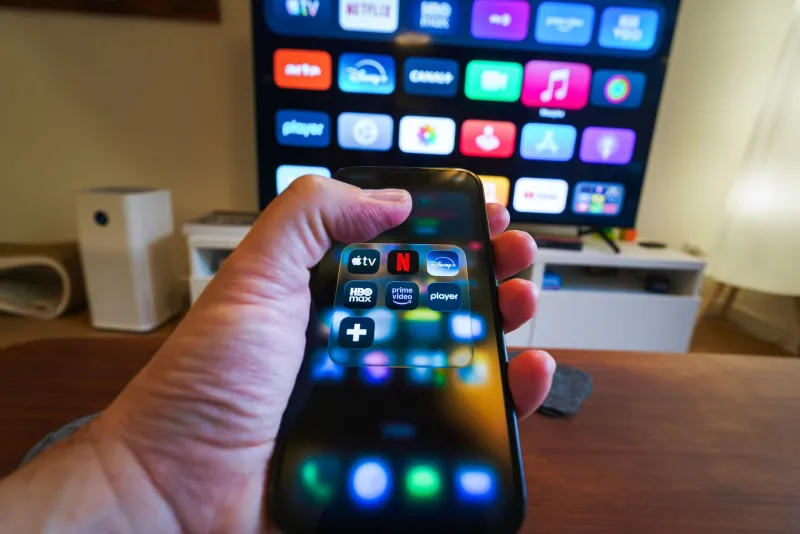
Photo: Japanexperterna.se, CC BY-SA 2.0, via Wikimedia Commons
Somewhere between the third and fourth part of a TikTok series you didn't mean to start watching, something shifts. You're no longer passively scrolling. You're invested. You've got a tab open, a creator bookmarked, and a mild but genuine anxiety about whether Part 5 dropped yet. Congratulations — you just read a novel in 90-second installments and had no idea it was happening.
This is the quiet trick at the center of modern content creation, and it's more deliberate than it looks.
The Format Was Always a Lie
When TikTok exploded into the American mainstream, the dominant narrative was simple: attention spans are shrinking, short is king, get to the point or get scrolled past. Platforms leaned in hard. YouTube launched Shorts. Instagram pushed Reels. Twitter capped video. The entire industry seemed to agree that brevity was the new currency.
Except the creators who actually built audiences didn't quite get the memo — or they got it and immediately figured out how to work around it.
What emerged instead was something more interesting: the serialized micro-narrative. A fitness creator doesn't post one 45-minute workout breakdown. They post a 60-second clip every day for three weeks, each one referencing the last, each one seeding the next. A true crime account doesn't drop a documentary. They drop Part 1, then Part 2, then a "wait actually there's more" Part 3. A design educator doesn't write a blog post. They build a 12-slide Instagram carousel that reads like a chapter from a book you can't put down.
The format says short. The strategy says stay forever.
Serialization Isn't New. The Disguise Is.
Here's the thing worth saying out loud: none of this is actually new. Charles Dickens published novels in monthly installments. Radio dramas ran in episodes. Soap operas have been doing the cliffhanger-and-return since the 1930s. The idea that you can hook an audience with a fragment and make them come back for the rest is as old as storytelling itself.
What's changed is the wrapper. The modern version of serialization has been engineered to look like it respects your time while quietly demanding more of it. A 60-second TikTok video doesn't feel like a commitment. But Part 1 of 14? That's a relationship.
Creators have gotten genuinely sophisticated about this. The best ones use each micro-installment as a complete emotional unit — satisfying enough to feel like closure, incomplete enough to create pull. It's a craft skill, honestly. Compressing a story beat into under two minutes while leaving a thread dangling just visible enough to catch? That takes real editorial instinct.
Whether you call it innovation or repackaging probably depends on how generous you're feeling. But functionally, it works.
The Carousel as Chapter
Instagram's carousel format deserves its own moment here because it's doing something genuinely weird and kind of wonderful. What started as a way to post multiple photos in one swipe has quietly evolved into one of the more compelling long-form storytelling containers on the internet.
Scroll through any serious creator's feed and you'll find carousels that function as essays, tutorials, arguments, and narratives — often running 10 slides deep, dense with text, building toward a point that only lands if you've read the whole thing. The platform technically supports up to 20 slides. Some creators use every one.
The friction of swiping — that small physical gesture repeated again and again — creates a reading rhythm that's surprisingly close to turning pages. It feels active in a way that passive video doesn't. And because each slide is a contained visual unit, designers and creators have figured out how to use the format's structure to control pacing in ways that feel almost cinematic.
This is where design and screen start bleeding into each other in interesting ways. The best carousel creators aren't just writing content — they're doing layout, typography, visual hierarchy, pacing. They're making small magazines and calling them posts.
What This Reveals About How We Actually Consume Stories
The attention span conversation has always been a little reductive. The real issue was never duration — it was relevance. People will watch a three-hour documentary if it holds them. They'll abandon a 90-second video if it doesn't earn the next ten seconds. The metric that matters isn't length; it's whether the thing justifies continuing.
What the serialized micro-content boom has done is surface that truth in a new way. By breaking stories into pieces, creators have essentially gamified the question of do you want more? Every installment is a micro-commitment. Every swipe, every click to Part 2, is a small vote. And the data on what earns that vote is immediate and brutal.
This has made a certain kind of creator incredibly good at the specific skill of earning the next moment. Not the whole story — just the next beat. It's a different muscle than traditional long-form writing or filmmaking, but it's a real one.
The downside is that the format rewards momentum over depth. A creator can keep you coming back for 20 parts and deliver something that, stitched together, is pretty thin. The episodic tension does a lot of the work that substance is supposed to do. Audiences sometimes don't notice the difference until they're at the end wondering why they don't feel more satisfied.
Innovation or Illusion?
Probably both, honestly.
The genuine innovation is in the execution — the way creators have learned to compress and sequence, to use platform-specific constraints as creative tools rather than limitations. A TikTok series built with real narrative architecture, where each video pays off something from the last and sets up something for the next, is doing something that requires skill and intentionality. That's not nothing.
The illusion is in the framing. When platforms and creators both market short-form content as respecting your time, while simultaneously engineering reasons to stay longer, there's a gap between the pitch and the product. You were told you were getting a snack. You ate a whole meal without realizing it.
Whether that's a problem depends on whether you enjoyed the meal.
The Format Will Keep Shifting
Platforms are already starting to extend their own limits. TikTok has been quietly expanding its maximum video length for years — first three minutes, then ten, now up to 30 for some creators. YouTube Shorts technically caps at 60 seconds but the ecosystem around them is designed to funnel viewers into longer content. The short-form format is gradually eating itself from the inside.
What that probably means is that the disguise gets less necessary over time. Creators who built audiences on fragmented micro-narratives will eventually have the runway to just... tell the whole story at once. Some of them will be great at it. Some of them will discover that the episodic tension was doing more work than they realized.
For now, though, the long game hidden in the short form is one of the more interesting creative puzzles happening in digital media. It's messy, it's sometimes manipulative, and it's produced some genuinely compelling storytelling in formats nobody expected to matter.
That's usually how the good stuff starts.