Dead Isn't Done: The New Economy of Shows That Refuse to Stay Canceled
There was a time when the network axe meant something. A show got canceled, the sets got dismantled, and everyone went home. Fans wrote angry letters that went nowhere, maybe started a petition that got framed in someone's garage, and eventually moved on. The story was over because the business said so.
That's not really how it works anymore.
Today, cancellation is less a death sentence and more a change of address. Shows are getting picked up by streamers, revived by creators on entirely new platforms, and in some cases resurrected by the sheer force of audience demand alone. The economics of television have shifted just enough that "dead" has become one of the industry's most negotiable terms.
The Arrested Development Blueprint
If there's a patron saint of the canceled-and-revived genre, it's Arrested Development. Fox pulled the plug in 2006 after three seasons of critical adoration and middling ratings. By conventional logic, that should've been it. But the show found a second life on DVD, built a cult following that kept getting louder, and eventually landed at Netflix in 2013 — seven years after cancellation.
The revival wasn't perfect. Most people who watched it will tell you that honestly. But the fact that it happened at all rewired how the industry thought about dead IP. Suddenly, a canceled show with a passionate fanbase wasn't a liability. It was a pre-sold audience waiting to be monetized.
Netflix saw the math clearly. Why spend enormous resources building awareness for something new when you could license something that already had a devoted following? The acquisition cost looked different when you factored in the marketing savings.
That logic has only gotten more aggressive since then.
When Fans Become Producers
The Mindhunter situation is a different kind of story, and honestly a more interesting one. David Fincher's Netflix serial killer drama didn't get formally canceled so much as it got indefinitely paused in 2020, with cast members released from their contracts. Fincher called it a hiatus. Netflix said nothing definitive. The show exists in this strange liminal space — not renewed, not officially dead.
And yet the conversation around it never really stopped. Fans have kept the pressure steady. Fincher himself has left the door cracked open in interviews. It's a show that technically doesn't exist right now but somehow still feels like it's in production in the collective imagination of its audience.
That sustained cultural pressure is new. Social media gave fandoms organizational tools that didn't exist before. The #SaveMindhunter energy isn't just nostalgia — it's a coordinated, ongoing argument that the show has unfinished business. And streaming platforms are listening because they have to. Subscriber retention is everything, and a beloved dormant show is a retention weapon waiting to be reloaded.
The Creator-Led Resurrection
Some shows skip the platform negotiation entirely. Creators are increasingly finding ways to bring their work back through independent channels, Patreon-funded continuations, or podcast extensions that pick up storylines network television abandoned.
Veronica Mars did it through a Kickstarter campaign that raised over five million dollars in ten days back in 2013. That wasn't just a comeback — it was a proof of concept that audiences would pay directly for stories they felt had been taken from them. The model has been repeated in various forms ever since, from indie comic continuations to creator-run YouTube revivals.
What this signals is a fundamental shift in who holds the rights to a story's future. It's not entirely the network's call anymore. It's not entirely the streamer's. The audience has a seat at the table now, and in some cases they're writing the checks.
The Platform Wars Created This
It's worth being honest about why all of this accelerated so dramatically. The streaming wars didn't just change how we watch television — they changed the supply-and-demand calculus for content in ways that made canceled shows suddenly attractive again.
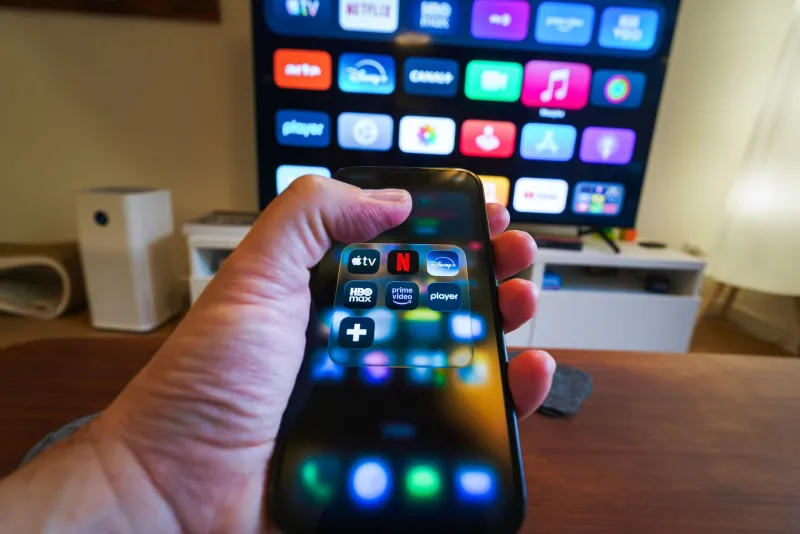
When Disney+, Peacock, HBO Max, Paramount+, and Apple TV+ all launched within a few years of each other, they each needed libraries. Fast. Legacy content was expensive to license, and original programming took time to develop. Reviving a canceled cult show hit a sweet spot: it came with built-in buzz, recognizable IP, and a fanbase that would subscribe just to see what happened next.
Arrested Development at Netflix. Veronica Mars at Hulu. The Mindy Project rescued from Fox by Hulu. Brooklyn Nine-Nine jumping from Fox to NBC after a fan campaign went genuinely viral. These weren't coincidences — they were a pattern responding to specific market pressures.
The platforms needed differentiation. Revived beloved shows gave them exactly that.
What "Canceled" Actually Means Now
Here's the honest complication in all of this: not every show deserves a second act, and the new economics don't always care about quality. The same machinery that brought back Arrested Development could theoretically resurrect anything with a vocal enough fanbase, regardless of whether there's actually more story to tell.
There's a version of this trend that's genuinely exciting — creators getting to finish what they started, stories reaching the endings they were always building toward. And there's a version that's just IP strip-mining, where platforms revive shows not because they have something new to say but because the brand recognition is cheap and the nostalgia is reliable.
The difference usually shows up on screen. You can feel when a revival exists because the people making it had more to say. You can also feel when it exists because someone ran the numbers on subscriber acquisition and liked what they saw.
The Audience as Stakeholder
What's genuinely new here isn't just the technology or the platform economics. It's the relationship between audiences and the stories they love. Viewers have always been emotionally invested in their favorite shows. But now that investment has leverage.
Fan campaigns move markets. Social media pressure changes platform decisions. Audiences who feel ownership over a story can, in some cases, actually exercise that ownership in ways that produce real outcomes. That's a different kind of cultural participation than anything that existed when Firefly got canceled in 2002 and fans were basically just sad about it.
The line between viewer and stakeholder is getting thinner. And the entertainment industry, still figuring out what streaming actually means for the long term, is improvising its response in real time.
Canceled shows finding new life isn't just a quirky footnote in the history of television. It's a signal about who gets to decide when a story ends — and increasingly, that answer is more complicated than it used to be.